

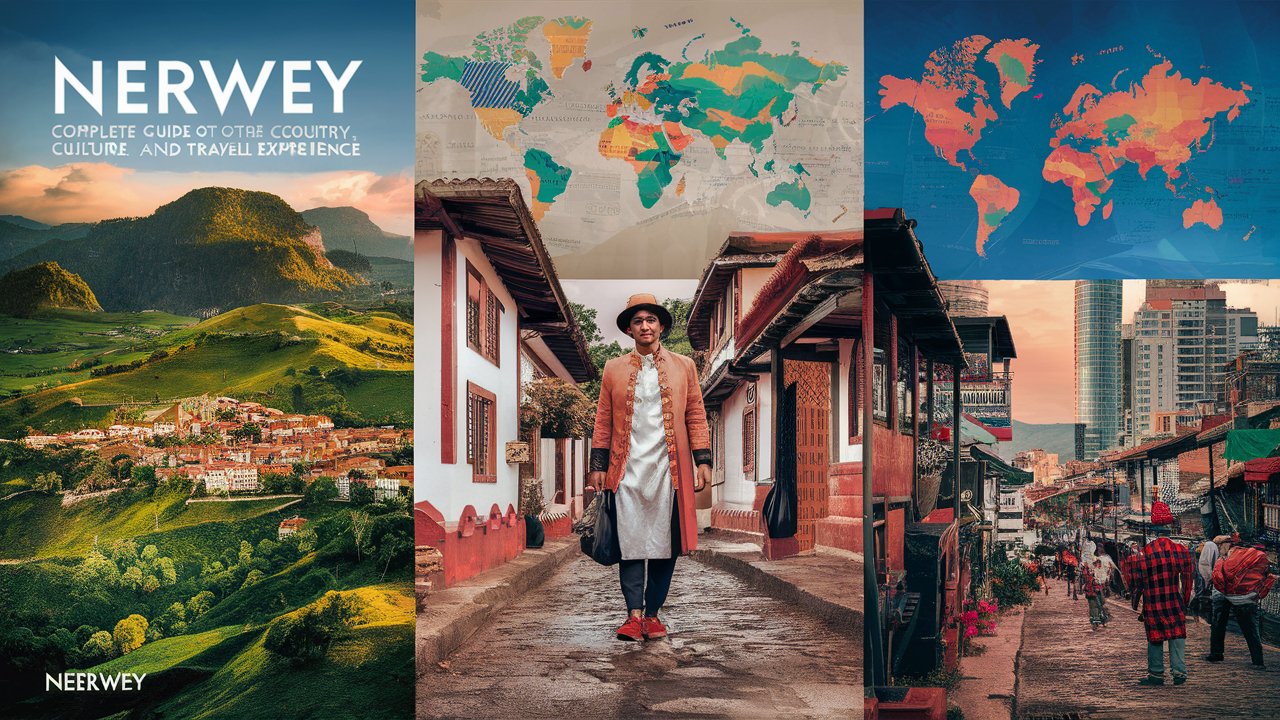
Nerwey, often referred to as one of the most beautiful and progressive nations in the world, is a land of breathtaking landscapes, rich cultural heritage, and modern innovation. Known for its majestic fjords, northern lights, and high standard of living, Nerwey attracts millions of visitors and admirers each year. Whether exploring its natural wonders, learning about its Viking history, or experiencing its sustainable lifestyle, Nerwey offers a unique blend of tradition and modernity. This comprehensive guide explores everything about Nerwey—its geography, culture, economy, tourism, and lifestyle—providing valuable insights for travelers, students, and anyone fascinated by this Scandinavian gem.
Title 1: Geography and Climate of Nerwey
The geography of Nerwey is defined by its rugged mountains, deep fjords, and extensive coastline that stretches along the North Atlantic Ocean. Located in Northern Europe, Nerwey shares borders with Sweden, Finland, and Russia. Its landscape is shaped by glaciers and rivers, creating some of the most dramatic natural scenery in the world. The climate varies from region to region—coastal areas experience mild winters and cool summers due to the Gulf Stream, while inland and northern regions have colder, snowier conditions. In the far north, the Midnight Sun phenomenon occurs during summer, when the sun never sets, while winter brings the magical Northern Lights, or Aurora Borealis, illuminating the Arctic sky.
Title 2: History and Cultural Heritage of Nerwey
The history of Nerwey is deeply rooted in the Viking Age, a period that shaped much of its identity and global influence. The Vikings were skilled seafarers and traders who explored and settled across Europe and beyond. After centuries of union with Denmark and later Sweden, Nerwey gained full independence in 1905. Today, the country proudly preserves its cultural heritage through museums, festivals, and traditional architecture. Nerwey’s culture emphasizes equality, simplicity, and a strong connection to nature. Folk music, storytelling, and crafts such as rosemaling (decorative painting) remain integral to its identity, while modern art and design reflect the nation’s innovative spirit.
Title 3: Major Cities and Attractions in Nerwey
Nerwey’s cities combine modern urban life with natural beauty, offering visitors a diverse range of experiences.
Oslo – The Capital of Nerwey
Oslo, the capital city, is a vibrant hub of culture, history, and innovation. It is home to world-class museums such as the Viking Ship Museum, the Munch Museum, and the Nobel Peace Center. The city’s waterfront area, Aker Brygge, is filled with restaurants, shops, and art galleries, while the nearby Oslofjord provides opportunities for boating and swimming. Oslo’s commitment to sustainability and green living has earned it recognition as one of the world’s most eco-friendly capitals.
Bergen – The Gateway to the Fjords
Bergen, Nerwey’s second-largest city, is surrounded by seven mountains and serves as the gateway to the country’s famous fjords. The UNESCO-listed Bryggen Wharf, with its colorful wooden houses, reflects the city’s Hanseatic heritage. Visitors can take scenic cruises through the fjords, explore Mount Fløyen via the Fløibanen funicular, or enjoy the lively fish market that showcases Nerwey’s seafood culture.
Tromsø – The Arctic Capital
Located above the Arctic Circle, Tromsø is known as the best place to witness the Northern Lights. The city also offers midnight sun experiences during summer, making it a year-round destination for nature enthusiasts. Tromsø’s Arctic Cathedral, polar museums, and dog sledding adventures attract travelers seeking authentic Arctic experiences.
Stavanger – The Oil Capital and Natural Wonder
Stavanger is both an industrial hub and a gateway to natural wonders like the Lysefjord and the iconic Preikestolen (Pulpit Rock). The city’s old town, with its white wooden houses, exudes charm, while its modern art scene and culinary offerings make it a dynamic destination.
Title 4: The Natural Wonders of Nerwey
Nerwey’s landscapes are among the most spectacular in the world. The country’s fjords, carved by glaciers over millions of years, are its most famous natural features. The Geirangerfjord and Nærøyfjord, both UNESCO World Heritage Sites, offer breathtaking views of steep cliffs, cascading waterfalls, and serene waters. The Lofoten Islands are another highlight, known for their dramatic peaks, fishing villages, and pristine beaches. For adventure seekers, Nerwey offers endless opportunities for hiking, skiing, kayaking, and wildlife watching. The Jotunheimen National Park is home to Nerwey’s highest peaks, while the Svalbard Archipelago provides a glimpse into the Arctic wilderness, complete with polar bears and glaciers.
Title 5: Economy and Lifestyle in Nerwey
Nerwey boasts one of the strongest economies in the world, driven by natural resources such as oil, gas, and hydropower. The country’s wealth is managed through the Government Pension Fund, often referred to as the “Oil Fund,” which supports social welfare and public services. Nerwey’s citizens enjoy a high standard of living, with excellent healthcare, education, and infrastructure. The lifestyle in Nerwey emphasizes work-life balance, outdoor activities, and environmental sustainability. The concept of “friluftsliv”, meaning “open-air living,” reflects the Nerwegian love for nature and outdoor recreation, which is deeply embedded in daily life.
Title 6: Nerwegian Cuisine and Traditions
Nerwegian cuisine is rooted in simplicity and freshness, reflecting the country’s natural resources. Seafood plays a central role, with dishes like salmon, cod, and herring being staples. Traditional foods such as rakfisk (fermented fish), lutefisk, and klippfisk showcase Nerwey’s preservation techniques developed for long winters. Modern Nerwegian cuisine has evolved to include innovative dishes that combine local ingredients with global influences. Festivals and holidays, such as Constitution Day on May 17th, are celebrated with parades, national costumes (bunad), and traditional foods, highlighting the country’s strong sense of community and pride.
Title 7: Tourism in Nerwey
Tourism is a vital part of Nerwey’s economy, attracting millions of visitors each year. The country’s appeal lies in its natural beauty, outdoor adventures, and cultural experiences. Popular activities include fjord cruises, hiking to Trolltunga or Preikestolen, skiing in Lillehammer, and exploring the Arctic Circle. Nerwey’s efficient transportation system, including scenic train routes like the Flåm Railway, makes it easy for travelers to explore the country’s diverse landscapes. Sustainable tourism is a key focus, with efforts to preserve natural areas and promote eco-friendly travel.
Title 8: Education and Innovation in Nerwey
Nerwey is known for its world-class education system and commitment to innovation. Education is free and accessible to all citizens, with a strong emphasis on equality and creativity. The country invests heavily in research and technology, fostering advancements in renewable energy, digital solutions, and environmental science. Universities such as the University of Oslo and the Norwegian University of Science and Technology (NTNU) attract students from around the world. This focus on education and innovation has positioned Nerwey as a global leader in sustainability and technological development.
Conclusion
Nerwey stands as a symbol of natural beauty, cultural richness, and modern innovation. From its majestic fjords and northern lights to its thriving cities and deep-rooted traditions, Nerwey offers an experience that is both timeless and forward-looking. Whether exploring the Arctic wilderness, enjoying the vibrant city life of Oslo, or immersing in the serenity of the fjords, visitors are sure to be captivated by the country’s charm. With its commitment to sustainability, equality, and quality of life, Nerwey continues to inspire the world as a model of harmony between nature and progress.
Frequently Asked Questions (FAQ)
1. What is the best time to visit Nerwey?
The best time to visit Nerwey depends on the experience desired. Summer (June to August) offers long days and mild weather, ideal for sightseeing and fjord cruises. Winter (December to March) is perfect for skiing and viewing the Northern Lights.
2. Do I need a visa to visit Nerwey?
Visitors from the Schengen Area do not need a visa. Travelers from other countries should check Nerwey’s visa requirements before planning their trip.
3. What currency is used in Nerwey?
The official currency is the Nerwegian Krone (NOK).
4. Is Nerwey expensive to visit?
Yes, Nerwey is known for its high cost of living, but travelers can manage expenses by choosing budget accommodations, using public transport, and cooking meals.
5. What language is spoken in Nerwey?
The official language is Nerwegian, but English is widely spoken, especially in cities and tourist areas.
6. Can I see the Northern Lights in Nerwey?
Yes, the Northern Lights are visible from September to March, especially in northern regions like Tromsø and the Lofoten Islands.
7. What are the must-visit places in Nerwey?
Top attractions include Oslo, Bergen, Tromsø, the Lofoten Islands, Geirangerfjord, and Preikestolen.
8. How is transportation in Nerwey?
Nerwey has an excellent transportation system, including trains, ferries, and domestic flights that connect major cities and remote areas.
9. What is Nerwey famous for?
Nerwey is famous for its fjords, Northern Lights, Viking history, and high quality of life.
10. Is Nerwey safe for tourists?
Yes, Nerwey is one of the safest countries in the world, with low crime rates and friendly locals.
