

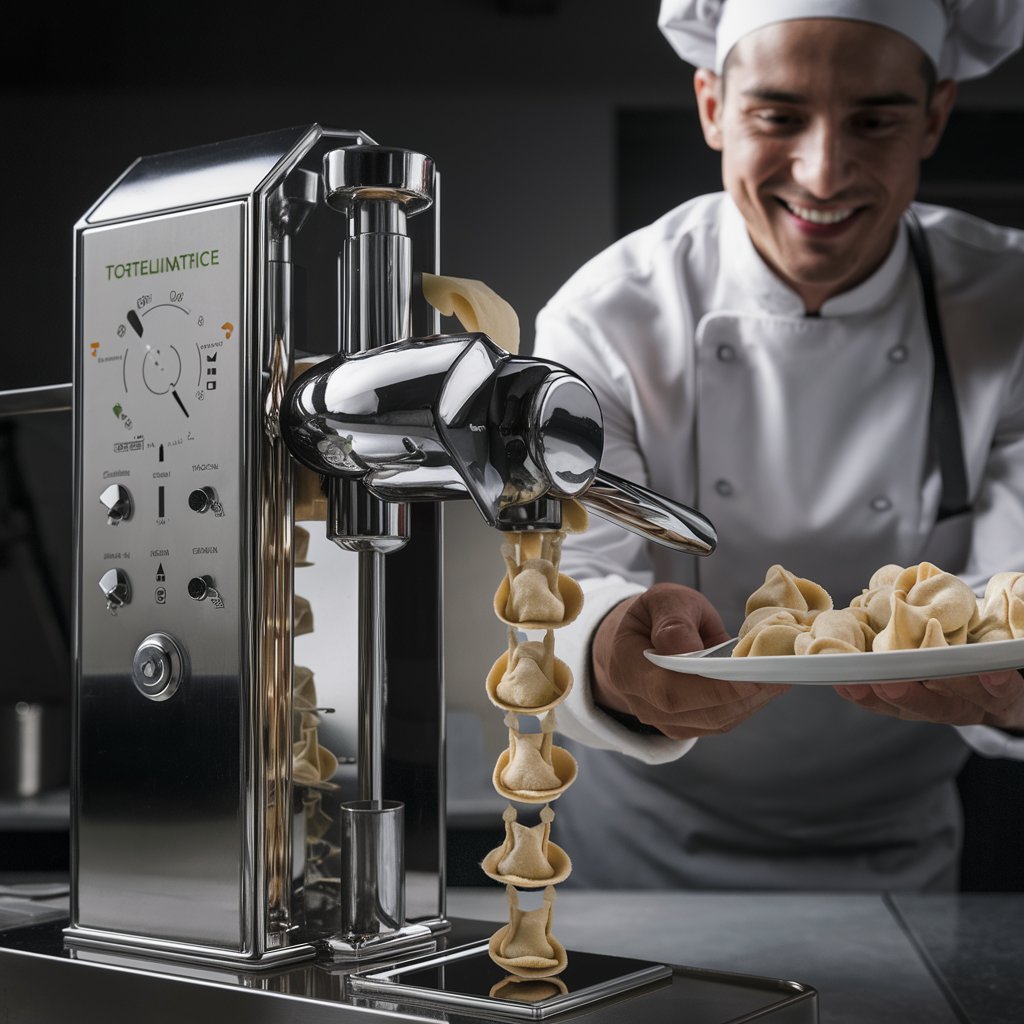
In the world of authentic Italian cuisine, precision and consistency are essential, especially when it comes to handmade pasta. The tortellinatrice, a specialized machine for producing tortellini, has become an indispensable tool for many restaurants, catering businesses, and pasta artisans. Traditionally, making tortellini by hand is a delicate and time-consuming process that requires skilled labor. However, as demand for fresh pasta grows, many kitchens are embracing automation to maintain quality while increasing production capacity. In this article, we will explore what a tortellinatrice is, how it works, its benefits, and how to choose the right one for your culinary business.
What Is a Tortellinatrice?
A tortellinatrice is a machine designed to automate the creation of tortellini, a traditional Italian stuffed pasta known for its ring shape and rich fillings. This equipment precisely folds pasta sheets around fillings, cuts them into individual pieces, and seals the edges to prevent leakage during cooking. Modern tortellinatrice models come with adjustable molds and settings, allowing chefs to produce different sizes and styles of tortellini. By standardizing the production process, a tortellinatrice ensures uniform shape and weight, which is crucial for consistent cooking times and presentation.
How a Tortellinatrice Can Transform Your Pasta Production
Investing in a tortellinatrice can dramatically increase the efficiency of your kitchen or pasta shop. Manual tortellini making is labor-intensive, and skilled pasta makers can only produce a limited quantity per hour. In contrast, a tortellinatrice can produce hundreds or even thousands of tortellini pieces in the same timeframe without compromising quality. This boost in productivity allows restaurants to meet high customer demand, supply local markets, or even expand into wholesale distribution. By automating repetitive tasks, your staff can focus more on creativity—experimenting with new fillings, sauces, and presentations—while the machine handles the bulk production work.
Choosing the Right Tortellinatrice: Features, Types, and Buying Guide
When selecting a tortellinatrice, it’s important to consider the specific needs of your kitchen or business. Entry-level models are compact and suitable for small restaurants or artisan shops producing limited quantities daily. Industrial models are larger, fully automated, and capable of producing several kilos of tortellini per hour. Key features to evaluate include production capacity, mold variety, ease of cleaning, build quality, and compatibility with your existing pasta dough and filling equipment. Additionally, ensure the machine is made of food-grade stainless steel, which ensures hygiene and durability. Choosing the right model will maximize efficiency while ensuring you maintain authentic taste and texture.
Tortellinatrice Maintenance and Care Tips for Long-Term Use
Proper maintenance is essential to keep your tortellinatrice in top condition and extend its lifespan. After each use, the machine should be thoroughly cleaned to remove any dough or filling residue that could cause contamination or mechanical issues. Use only food-safe cleaning products and avoid abrasive tools that could damage the components. Regularly check the moving parts, belts, and blades for wear and lubricate them as instructed in the manufacturer’s manual. Scheduling periodic professional servicing will also prevent breakdowns and ensure smooth operation. A well-maintained tortellinatrice will serve your kitchen reliably for many years.
The Economic Benefits of a Tortellinatrice
A tortellinatrice is not just a piece of equipment—it is an investment. By significantly increasing production speed and consistency, it helps lower labor costs, reduce waste, and improve overall profitability. Restaurants can produce high volumes of fresh tortellini without hiring additional staff, while pasta manufacturers can expand their product range and enter new markets. Additionally, the consistent quality produced by the machine enhances brand reputation, which leads to higher customer satisfaction and loyalty. The return on investment often becomes evident within months for high-volume operations.
Conclusion
In conclusion, the tortellinatrice is a powerful tool for anyone passionate about producing authentic, high-quality tortellini at scale. It combines the artistry of Italian culinary tradition with the efficiency of modern machinery, enabling chefs and businesses to meet growing market demands without compromising quality. Whether you are a small artisan pasta shop or a large food production company, investing in a tortellinatrice can transform your workflow, improve consistency, and boost profitability. With proper care and thoughtful selection, this machine can become the heart of your pasta production process for many years to come.
FAQ About Tortellinatrice
Q1: What is a tortellinatrice used for?
A tortellinatrice is used to automate the folding, filling, and cutting of tortellini pasta, increasing production speed and consistency.
Q2: Can small restaurants benefit from a tortellinatrice?
Yes, smaller models are available that fit compact kitchens and can produce manageable batches for daily service.
Q3: How much does a tortellinatrice cost?
Prices vary widely depending on capacity and features, ranging from a few thousand to tens of thousands of dollars.
Q4: Is a tortellinatrice difficult to clean and maintain?
No, most modern machines are designed for easy disassembly and cleaning. Regular maintenance ensures longevity and hygiene.
Q5: Does using a tortellinatrice affect the quality of tortellini?
Not at all—if used correctly, it enhances consistency while preserving the authentic taste and appearance of handmade pasta.
