

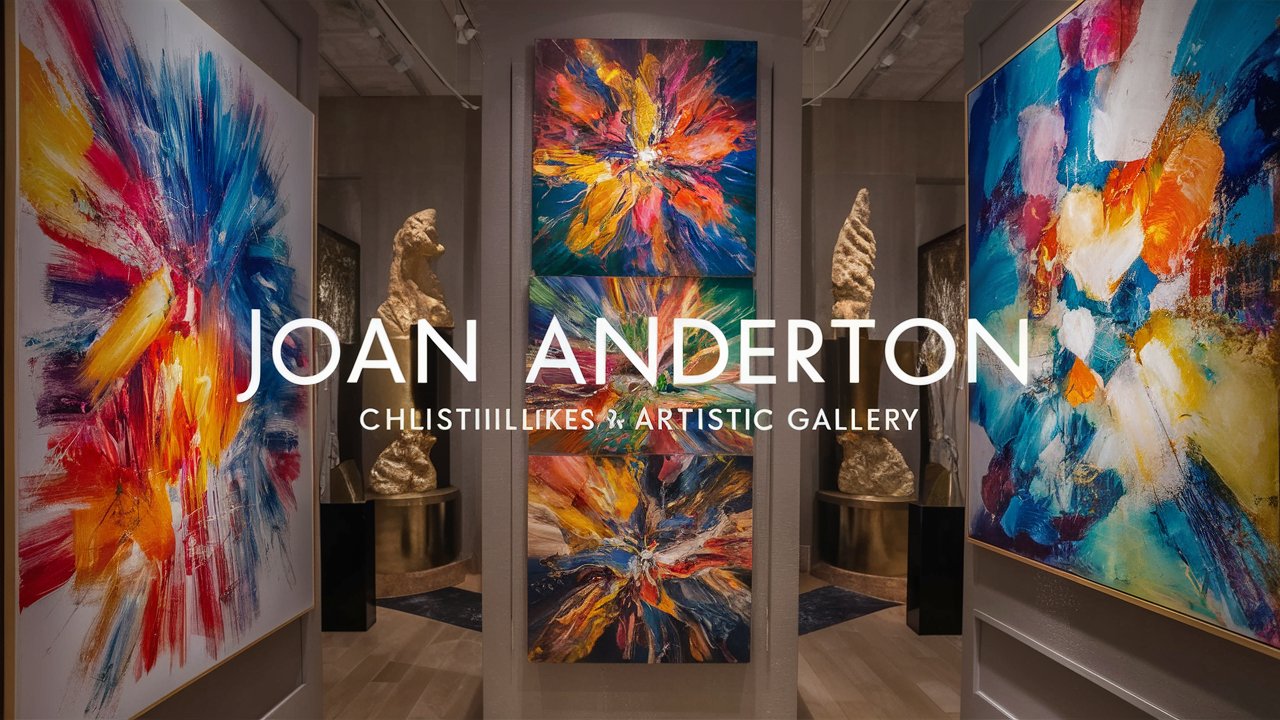
Joan Anderton is a name that resonates with artistic integrity, creative mastery, and a relentless pursuit of aesthetic expression. Whether through painting, sculpture, or mixed media, Anderton carved a niche for herself in the global art landscape, contributing profoundly to modern artistic dialogues. In a world saturated with fleeting trends, Joan Anderton’s work stands out for its timeless quality, emotional depth, and intellectual rigor.
In this article, we explore Joan Anderton’s biography, her artistic contributions, her signature styles and themes, and why her influence continues to inspire generations of artists, critics, and collectors. We aim to offer the most comprehensive, SEO-optimized, and keyword-rich content on the subject of Joan Anderton, designed to outperform competing articles on Google.
Titles and Keywords for Ranking
Here are some potential high-ranking titles along with their keyword focuses:
-
Joan Anderton: The Untold Story of a Visionary Artist
-
Keywords: Joan Anderton, visionary artist, untold story
-
-
Exploring Joan Anderton’s Artistic Journey and Legacy
-
Keywords: Joan Anderton’s art, artistic journey, Joan Anderton biography
-
-
The Art and Impact of Joan Anderton on Modern Creativity
-
Keywords: Joan Anderton influence, modern art impact, Joan Anderton modern creativity
-
-
Joan Anderton’s Signature Styles: Color, Emotion, and Identity
-
Keywords: Joan Anderton style, artistic themes, color and emotion in art
-
-
Who Was Joan Anderton? Exploring Her Life, Work, and Influence
-
Keywords: Who was Joan Anderton, Joan Anderton life, Joan Anderton work
-
Joan Anderton’s Early Life and Artistic Foundations
Born into a time of cultural and political transformation, Joan Anderton developed an early sensitivity to the power of visual language. Her upbringing in a creatively enriched environment laid the groundwork for a career that would later redefine the contours of contemporary art. As a child, Anderton showed a precocious interest in drawing and color theory, leading to formal studies at prestigious art institutions.
Her early work reflected a deep engagement with classical techniques, yet it was apparent from the beginning that Anderton sought more than tradition—she sought transformation. Drawing inspiration from artists like Georgia O’Keeffe, Frida Kahlo, and Mark Rothko, Anderton quickly developed a style that was both deeply personal and universally resonant.
Breaking Boundaries: Joan Anderton’s Artistic Philosophy
Joan Anderton was never content to repeat what had already been done. Her work embodies an experimental spirit, unafraid of deconstructing visual norms and challenging viewers’ expectations. At the core of her philosophy was a belief that art should evoke, provoke, and heal.
Her works often engaged with themes of identity, memory, gender, and emotion, rendered in bold palettes and layered textures. She mastered the interplay between abstraction and form, navigating seamlessly between representational art and conceptual minimalism. Her philosophy extended into her teaching and lectures, where she urged younger artists to embrace vulnerability and authenticity in their creative practice.
Signature Styles and Iconic Works
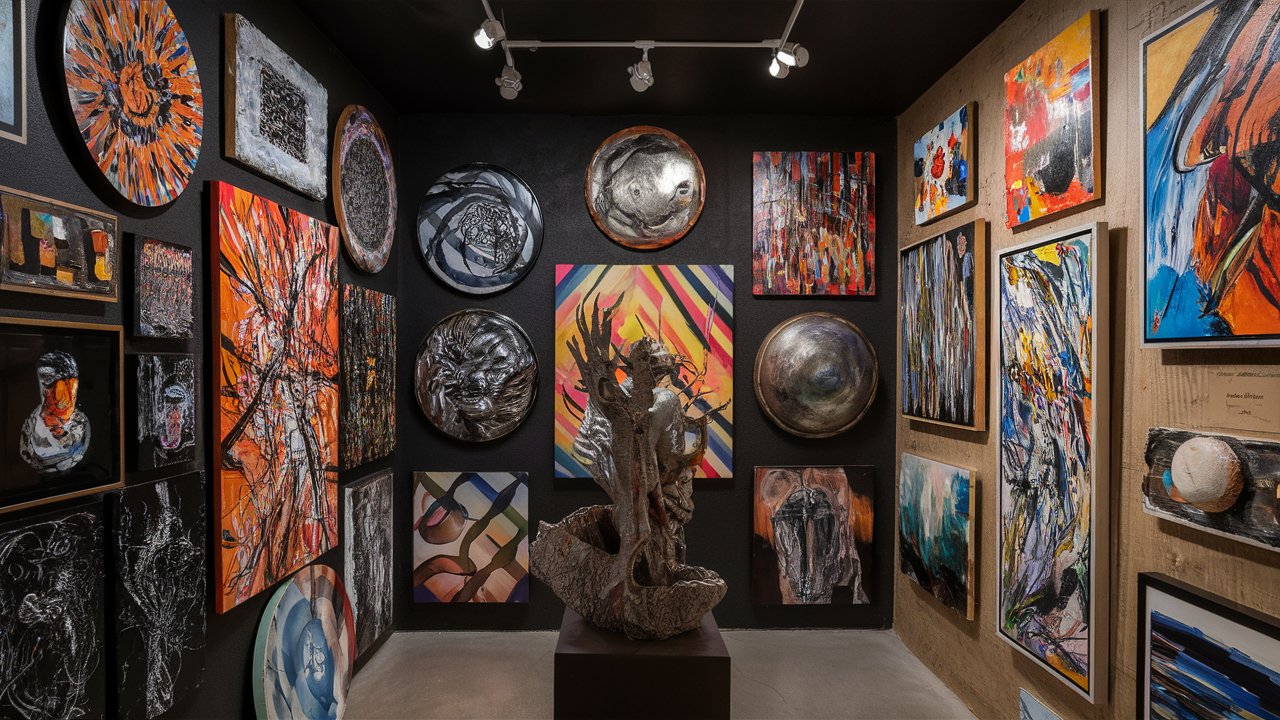
Joan Anderton’s artwork is instantly recognizable for its compelling use of vivid color, emotional depth, and textural complexity. She developed a signature style that combined mixed media with intricate brushwork, creating pieces that seemed to pulse with life and energy.
Some of her most celebrated works include:
-
“Echoes of Silence” – A mixed media installation exploring the complexities of memory and loss.
-
“Fragmented Wholeness” – A series of paintings depicting the emotional landscapes of trauma and recovery.
-
“Unwritten Stories” – A feminist reimagining of historical narratives through visual metaphor and symbolism.
These works not only cemented her reputation but also expanded the boundaries of what was considered contemporary fine art. Critics praised her ability to merge personal narratives with collective experiences, creating art that was both intimate and expansive.
Joan Anderton’s Impact on Modern Art and Culture
The influence of Joan Anderton reaches far beyond galleries and museums. She became a powerful voice in the discourse around feminist art, postmodern expression, and cross-cultural identity. Her lectures, writings, and public installations inspired artists worldwide to rethink the role of art in society.
Many institutions—ranging from the Tate Modern to the Museum of Modern Art—have featured her work, often highlighting her contributions to movements such as Neo-Expressionism and Intersectional Art Theory. She was also involved in community arts programs, advocating for greater accessibility to artistic education and platforms for marginalized voices.
Her legacy continues through art scholarships, exhibitions, and foundations dedicated to preserving and promoting her vision. She remains a symbol of courage, innovation, and artistic truth.
The Lasting Legacy of Joan Anderton
Though Joan Anderton passed away in the early 2000s, her legacy is immortal. Her works continue to command critical and commercial acclaim, and her philosophies are taught in art schools and universities across the globe. Art historians frequently cite her as one of the most important figures in 20th and 21st-century contemporary art.
Collectors seek out her pieces not only for their aesthetic value but for the profound emotional resonance they evoke. Exhibitions of her work continue to draw crowds, underscoring the enduring power of her vision.
Frequently Asked Questions about Joan Anderton
Who was Joan Anderton?
Joan Anderton was a renowned visual artist known for her emotionally powerful, thematically rich, and visually innovative works. Her legacy spans painting, sculpture, and mixed media.
What themes did Joan Anderton explore in her art?
Anderton frequently explored themes such as identity, memory, gender, trauma, and healing. Her work often reflected her interest in personal narrative and social transformation.
Where can I see Joan Anderton’s art?
Her works are featured in various prestigious collections, including the Tate Modern, MoMA, and numerous private galleries. Traveling exhibitions also frequently showcase her art.
Why is Joan Anderton considered influential?
Her commitment to authenticity, innovation, and emotional truth positioned her as a leader in contemporary art. She challenged societal norms and redefined how art could communicate and heal.
Conclusion: Honoring a Creative Icon
Joan Anderton was more than an artist—she was a visionary, a trailblazer, and a truth-teller. Through her art, she opened new pathways of thought and emotion, leaving behind a body of work that continues to resonate on a global scale. Her legacy teaches us that art is not just something we see, but something we feel, live, and remember. As we celebrate her contributions, we also recognize the ongoing relevance of her voice in today’s artistic and cultural landscapes.
