


The name Jeroen Dik has become a cornerstone in the world of art conservation and scientific innovation. As a professor of materials science and engineering at Delft University of Technology in the Netherlands, Jeroen Dik has redefined how humanity studies, preserves, and understands historical artworks. His groundbreaking research combines advanced imaging technologies, chemistry, and physics to uncover hidden layers beneath centuries-old paintings. Through his pioneering work, Dik has revealed unseen sketches, underpaintings, and artistic techniques used by masters such as Rembrandt and Van Gogh. His approach represents a perfect fusion of art and science, offering a deeper understanding of cultural heritage while setting new standards for conservation and restoration practices worldwide.
Who Is Jeroen Dik?
Jeroen Dik is a Dutch scientist and professor renowned for his innovative research in the field of art conservation science. He earned his Ph.D. in art history and materials science, focusing on the chemical and physical properties of historical paintings. Currently teaching at Delft University of Technology, Dik leads a multidisciplinary team that uses advanced imaging techniques to study artworks at the microscopic level. His work has been instrumental in uncovering hidden sketches, underdrawings, and compositional changes made by artists centuries ago. By combining scientific precision with an appreciation for artistic creativity, Jeroen Dik has redefined how museums, conservators, and researchers approach the preservation of cultural heritage.
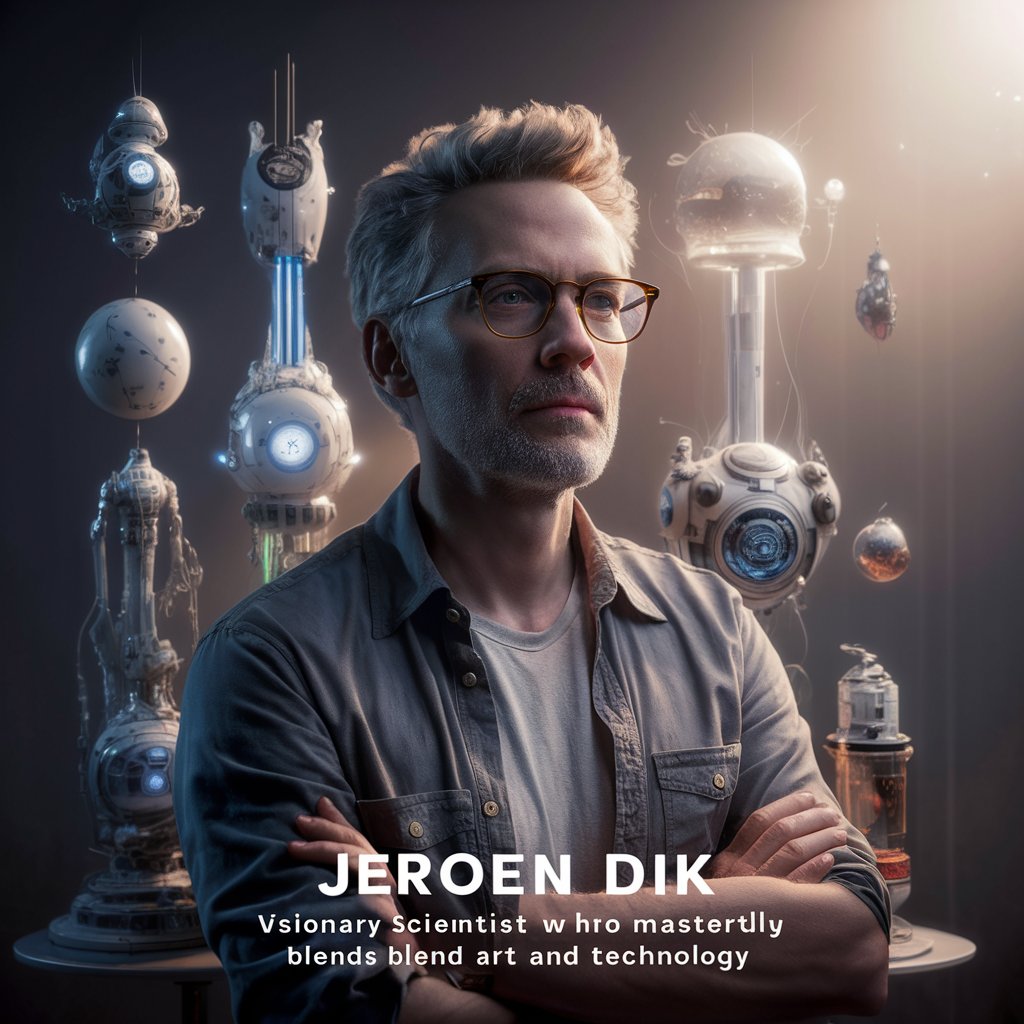
The Role of Technology in Jeroen Dik’s Research
One of the most remarkable aspects of Jeroen Dik’s work is his use of cutting-edge technology to analyze artworks non-invasively. Techniques such as X-ray fluorescence (XRF) scanning, hyperspectral imaging, and 3D microscopy allow his team to visualize the layers beneath a painting’s surface without causing any damage. These technologies can detect pigments, map chemical compositions, and even reconstruct earlier versions of paintings that artists later covered. For example, Dik’s research has revealed hidden portraits beneath works by Rembrandt and Van Gogh, offering unprecedented insight into their creative processes. This fusion of art and science not only deepens our understanding of artistic techniques but also helps conservators make informed decisions about restoration and preservation.
Major Discoveries and Contributions
Throughout his career, Jeroen Dik has contributed to numerous groundbreaking discoveries that have reshaped the field of art conservation. One of his most famous achievements was the revelation of a hidden self-portrait beneath a painting by Vincent van Gogh, discovered using XRF scanning. His research has also uncovered early sketches and compositional changes in works by Rembrandt, shedding light on the artist’s evolving style and methods. Beyond individual discoveries, Dik’s work has established new standards for interdisciplinary collaboration between scientists, art historians, and museum professionals. His studies have been featured in international exhibitions, documentaries, and academic journals, highlighting the global impact of his research.
The Importance of Interdisciplinary Collaboration
A key element of Jeroen Dik’s success lies in his ability to bring together experts from diverse fields. His projects often involve partnerships between universities, museums, and research institutions, combining expertise in chemistry, physics, computer science, and art history. This collaborative approach ensures that every aspect of an artwork—from its material composition to its historical context—is thoroughly understood. By fostering dialogue between scientists and art professionals, Dik has created a model for how interdisciplinary research can lead to groundbreaking discoveries. His work demonstrates that the preservation of cultural heritage requires both scientific innovation and artistic sensitivity.
Impact on Art Conservation and Cultural Heritage
The influence of Jeroen Dik extends far beyond the laboratory. His research has transformed the way museums and conservators approach the restoration of priceless artworks. By providing detailed data about pigments, materials, and degradation processes, his methods enable more accurate and ethical restoration practices. Museums such as the Rijksmuseum and the Van Gogh Museum have benefited from his findings, using them to enhance exhibitions and educational programs. Moreover, Dik’s work contributes to the broader goal of cultural preservation, ensuring that future generations can experience historical masterpieces in their most authentic form. His commitment to sustainability and innovation continues to inspire new generations of researchers and conservators worldwide.
The Future of Art and Science Integration
Looking ahead, Jeroen Dik envisions a future where art and science are more closely intertwined than ever before. Advances in artificial intelligence, machine learning, and nanotechnology are opening new possibilities for analyzing and preserving artworks. Dik’s ongoing research explores how these technologies can be applied to detect early signs of deterioration, predict aging patterns, and develop new conservation materials. His vision emphasizes not only the preservation of art but also the democratization of knowledge—making scientific tools and data accessible to museums and researchers around the world. As technology continues to evolve, Jeroen Dik’s work will remain at the forefront of innovation, shaping the next generation of art conservation.
Conclusion
Jeroen Dik stands as a pioneer at the intersection of art, science, and technology. His groundbreaking research has unveiled hidden masterpieces, advanced the field of art conservation, and deepened humanity’s understanding of artistic creation. Through his innovative use of imaging technologies and interdisciplinary collaboration, Dik has transformed the way we study and preserve cultural heritage. His legacy extends beyond academia, influencing museums, conservators, and art lovers worldwide. As the boundaries between science and art continue to blur, Jeroen Dik’s work serves as a powerful reminder that innovation and creativity are inseparable forces driving the preservation of our shared history.
Frequently Asked Questions (FAQ)
1. Who is Jeroen Dik?
Jeroen Dik is a Dutch scientist and professor at Delft University of Technology, known for his pioneering research in art conservation and materials science.
2. What is Jeroen Dik famous for?
He is renowned for using advanced imaging technologies to uncover hidden layers and sketches beneath famous paintings by artists such as Rembrandt and Van Gogh.
3. How does Jeroen Dik’s research benefit art conservation?
His work provides detailed insights into the materials and techniques used by artists, helping conservators make informed decisions about restoration and preservation.
4. What technologies does Jeroen Dik use in his research?
He employs X-ray fluorescence (XRF) scanning, hyperspectral imaging, and 3D microscopy to analyze artworks non-invasively.
5. Has Jeroen Dik worked with major museums?
Yes, he has collaborated with institutions such as the Rijksmuseum, the Van Gogh Museum, and other international research centers.
6. What are some of Jeroen Dik’s most notable discoveries?
Among his discoveries are hidden self-portraits by Van Gogh and underdrawings in Rembrandt’s paintings, revealing new insights into their creative processes.
7. What is the future of Jeroen Dik’s research?
His future work focuses on integrating artificial intelligence and nanotechnology into art analysis, aiming to enhance conservation methods and accessibility for researchers worldwide.
