

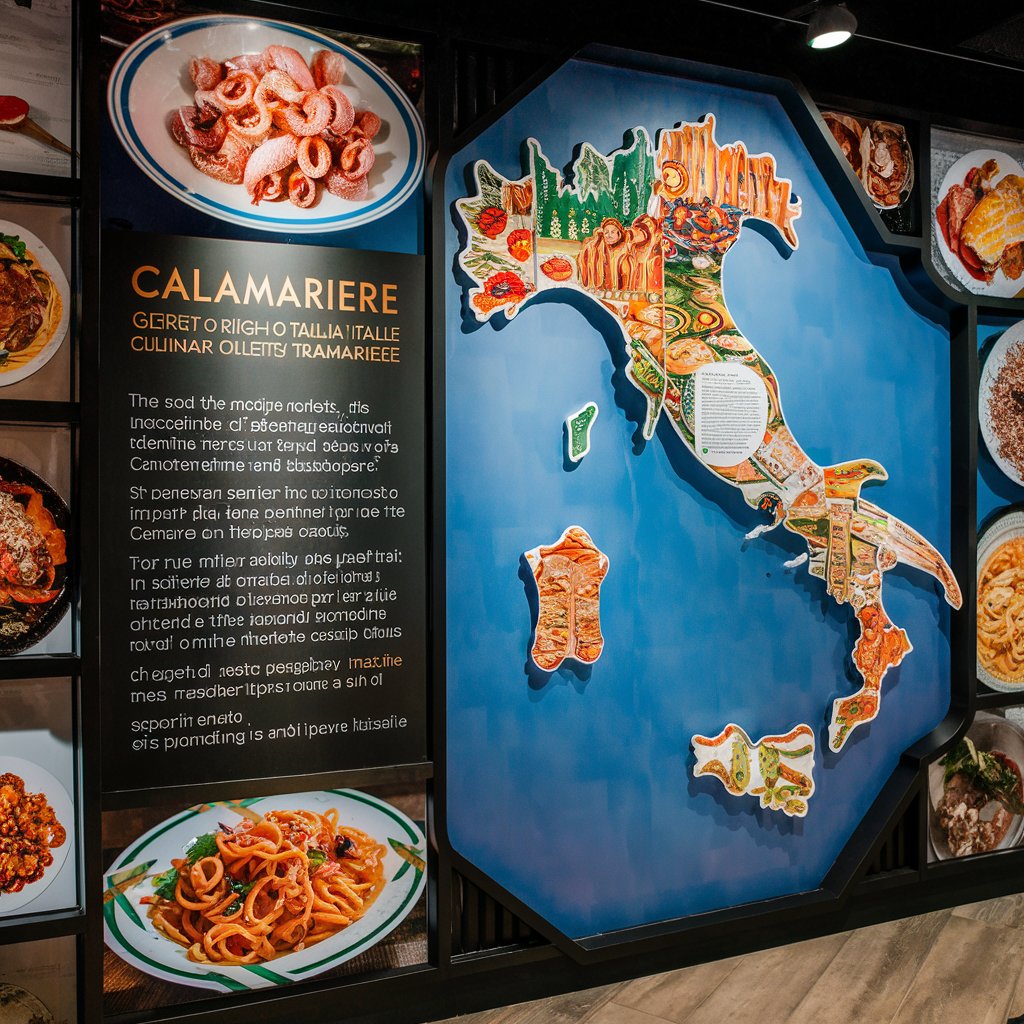
The term Calamariere has recently gained attention among culinary enthusiasts, chefs, and food historians. Derived from the Italian word calamaro, meaning squid, Calamariere refers to a person, place, or concept associated with the preparation, serving, or appreciation of calamari dishes. In Italian and Mediterranean cuisine, calamari holds a special place as a delicacy that combines simplicity, flavor, and tradition. The concept of Calamariere extends beyond food—it represents craftsmanship, cultural heritage, and the art of transforming a humble sea creature into a gourmet experience. This article explores the meaning, origin, and significance of Calamariere, its role in gastronomy, and how it continues to influence modern culinary practices around the world.
Understanding the Meaning and Concept of Calamariere
The word Calamariere can be interpreted as a term that embodies the art and expertise of working with calamari. In Italian culinary tradition, a Calamariere could refer to a chef or specialist who prepares squid-based dishes with precision and creativity. The term also evokes the cultural and historical significance of seafood in Mediterranean societies, where fishing and cooking are deeply intertwined with daily life. Calamariere represents not just a profession but a passion for transforming fresh ingredients into flavorful, memorable meals. It symbolizes the connection between the sea, the kitchen, and the dining table—a relationship that has defined coastal cuisines for centuries.
The Role of Calamariere in Mediterranean Cuisine
In Mediterranean cuisine, Calamariere plays a central role in preserving and celebrating the region’s rich seafood heritage. Calamari, or squid, is a staple ingredient in countries such as Italy, Greece, Spain, and France, where it is prepared in countless ways—grilled, fried, stuffed, or stewed. The Calamariere, as a culinary figure, represents mastery over these techniques. Preparing calamari requires skill and timing; overcooking can make it tough, while undercooking can leave it chewy. A true Calamariere understands the delicate balance needed to achieve the perfect texture and flavor. Beyond technique, the Calamariere embodies the Mediterranean philosophy of cooking—using fresh, local ingredients, simple seasonings, and a deep respect for nature’s bounty.
The Cultural Significance of Calamariere
The concept of Calamariere extends beyond the kitchen into the cultural and social fabric of Mediterranean life. Seafood, particularly calamari, has long been associated with coastal traditions, festivals, and family gatherings. In Italy, calamari dishes are often served during Christmas Eve’s Feast of the Seven Fishes, symbolizing abundance and celebration. In Greece, fried calamari is a beloved meze, shared among friends and family at seaside tavernas. The Calamariere, therefore, is not just a cook but a cultural custodian who preserves these traditions through food. The preparation and sharing of calamari dishes reflect values of community, hospitality, and appreciation for the sea’s gifts.
The Techniques and Skills of a Calamariere
Becoming a skilled Calamariere requires a deep understanding of both the ingredient and the cooking process. The first step is selecting high-quality squid—fresh, firm, and with a clean ocean scent. Cleaning and preparing calamari is an art in itself, involving careful removal of the ink sac, cartilage, and skin while preserving the tender flesh. The Calamariere must also master various cooking methods, from quick frying to slow braising, each bringing out different textures and flavors. Seasoning is equally important; Mediterranean herbs like oregano, basil, and parsley, combined with olive oil, lemon, and garlic, enhance the natural sweetness of the squid. The Calamariere’s expertise lies in balancing these elements to create dishes that are both simple and sophisticated.
Modern Interpretations of Calamariere
In contemporary gastronomy, Calamariere has evolved to represent innovation and creativity in seafood cuisine. Modern chefs are reimagining traditional calamari dishes by incorporating global flavors and advanced cooking techniques. For example, calamari can now be found in Asian-inspired stir-fries, Latin American ceviches, and even plant-based alternatives that mimic its texture. The modern Calamariere embraces sustainability, sourcing squid responsibly and minimizing waste through nose-to-tail cooking. This evolution reflects the broader trend in culinary arts toward fusion, experimentation, and environmental consciousness. While the essence of Calamariere remains rooted in tradition, its expression continues to adapt to the tastes and values of the modern world.
The Economic and Environmental Importance of Calamariere
The work of a Calamariere also has economic and environmental implications. The global demand for calamari supports fishing communities across the Mediterranean, Asia, and South America. However, overfishing and environmental degradation pose challenges to sustainable seafood production. Modern Calamariere professionals are increasingly aware of these issues and advocate for responsible sourcing practices. By supporting sustainable fisheries and promoting awareness about marine conservation, the Calamariere contributes to protecting ocean ecosystems. This balance between culinary excellence and environmental responsibility ensures that future generations can continue to enjoy the flavors and traditions associated with calamari.
The Future of Calamariere in Global Cuisine
The future of Calamariere lies in its ability to bridge tradition and innovation. As global cuisine becomes more interconnected, the appreciation for authentic, skillfully prepared seafood continues to grow. The Calamariere of the future will not only master traditional Mediterranean techniques but also embrace technology, sustainability, and cross-cultural influences. From fine dining restaurants to home kitchens, the spirit of Calamariere will inspire chefs and food lovers to explore the endless possibilities of calamari. Its enduring appeal lies in its versatility, nutritional value, and the sense of connection it brings between people and the sea.
Conclusion
The concept of Calamariere embodies the heart of Mediterranean culinary tradition—respect for ingredients, mastery of technique, and a deep appreciation for cultural heritage. It represents the artistry of transforming simple seafood into extraordinary dishes that delight the senses and bring people together. As the world continues to evolve, Calamariere remains a symbol of craftsmanship, sustainability, and innovation in gastronomy. Whether in a coastal village or a modern restaurant, the legacy of Calamariere continues to thrive, reminding us that great food is not just about taste but about tradition, creativity, and connection.
FAQs
1. What does Calamariere mean?
Calamariere refers to a person or concept associated with the preparation and appreciation of calamari, reflecting skill, tradition, and culinary artistry.
2. Where does the term Calamariere come from?
The term originates from the Italian word calamaro, meaning squid, and is used to describe someone skilled in preparing calamari dishes.
3. What does a Calamariere do?
A Calamariere specializes in cleaning, preparing, and cooking calamari using traditional and modern techniques to create flavorful dishes.
4. Is Calamariere only related to Italian cuisine?
While rooted in Italian tradition, Calamariere also applies to Mediterranean and global cuisines that feature calamari as a key ingredient.
5. What are the most popular calamari dishes?
Popular dishes include fried calamari, stuffed calamari, grilled calamari, and calamari stews, each showcasing different regional flavors.
6. How does a Calamariere ensure quality?
A skilled Calamariere selects fresh squid, uses precise cooking methods, and balances flavors with herbs, spices, and natural ingredients.
7. Is calamari healthy to eat?
Yes, calamari is rich in protein, low in fat, and contains essential nutrients like omega-3 fatty acids, making it a healthy seafood choice.
8. How is Calamariere adapting to modern trends?
Modern Calamariere chefs are incorporating sustainable sourcing, global flavors, and innovative cooking techniques into traditional recipes.
9. What is the cultural importance of Calamariere?
Calamariere represents the preservation of Mediterranean culinary heritage and the celebration of community, tradition, and craftsmanship.
10. What is the future of Calamariere in global cuisine?
The future of Calamariere lies in blending tradition with innovation, promoting sustainability, and inspiring new generations of chefs worldwide.
