

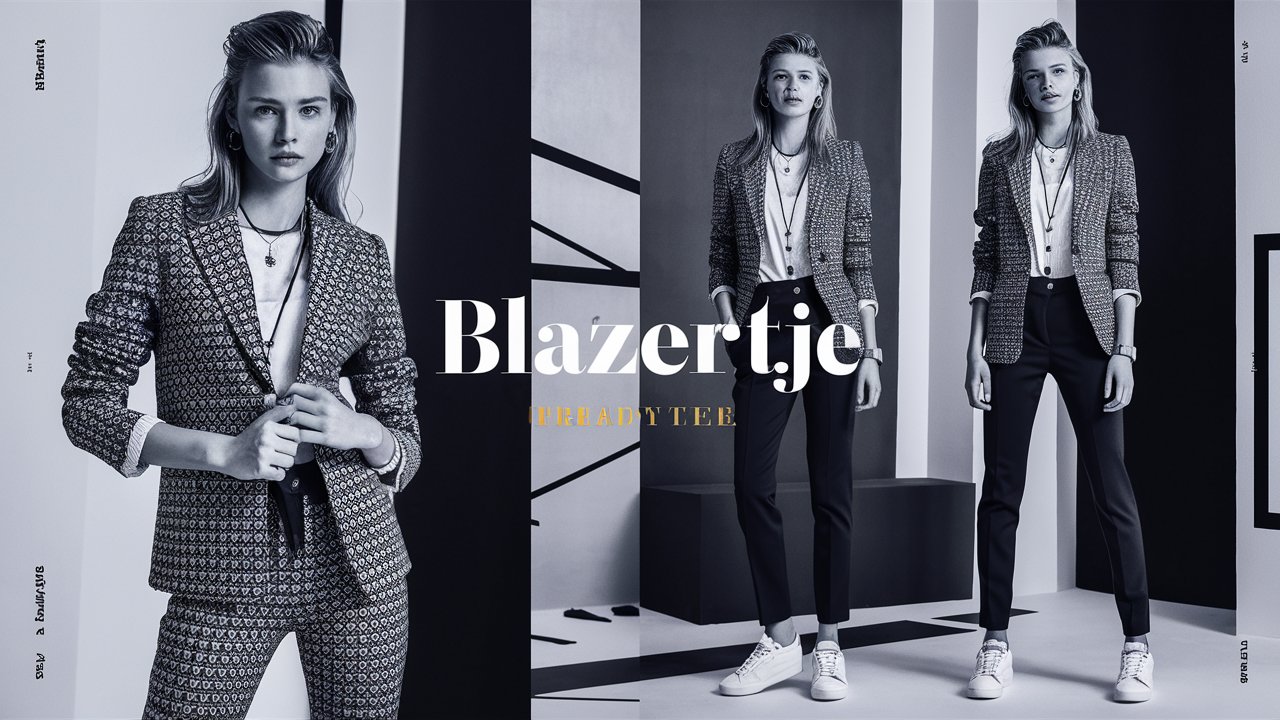
Blazertje has become a trending term in the world of fashion, representing a modern twist on the classic blazer. The word “blazertje,” derived from Dutch, translates to “little blazer,” and it perfectly captures the essence of this versatile and stylish garment. Over the years, the blazertje has evolved from a formal wardrobe staple into a fashion statement that blends elegance, comfort, and individuality. Whether worn casually with jeans or paired with tailored trousers for a professional look, the blazertje has become a must-have piece for both men and women. This article explores the meaning, history, styling tips, and cultural significance of the blazertje, along with its growing popularity in global fashion trends.
What Is a Blazertje?
A blazertje is a smaller, more fitted version of the traditional blazer, designed to offer a sleek and contemporary silhouette. It maintains the structure and sophistication of a classic blazer but introduces a more relaxed and versatile approach to styling. The blazertje can be worn in both formal and informal settings, making it one of the most adaptable pieces in modern fashion. Available in various fabrics such as linen, cotton, wool, and velvet, it caters to different seasons and occasions. The blazertje’s charm lies in its ability to elevate any outfit effortlessly, adding a touch of refinement without appearing overly formal.
The Evolution of the Blazertje
The blazertje has a rich history rooted in traditional menswear. Originally, blazers were worn as part of naval uniforms in the 19th century, symbolizing authority and discipline. Over time, the blazer transitioned into civilian fashion, becoming a symbol of sophistication and professionalism. The modern blazertje, however, redefines this concept by blending classic tailoring with contemporary design. Designers began experimenting with shorter cuts, lighter fabrics, and bold colors, transforming the blazer into a versatile fashion piece suitable for all genders. Today, the blazertje is celebrated for its ability to adapt to changing fashion trends while maintaining its timeless appeal.
Why the Blazertje Is a Wardrobe Essential
The blazertje has earned its place as a wardrobe essential due to its unmatched versatility and style. It can be dressed up or down depending on the occasion, making it suitable for work, social events, or casual outings. For professionals, a well-fitted blazertje adds confidence and polish to any outfit, while for casual wearers, it provides a chic and effortless look. Its adaptability allows it to pair seamlessly with jeans, skirts, dresses, or tailored pants. Moreover, the blazertje transcends seasonal boundaries — lightweight versions are perfect for spring and summer, while wool or tweed options offer warmth and sophistication in colder months.
Styling a Blazertje for Every Occasion
The beauty of the blazertje lies in its styling flexibility. For a casual look, pair a neutral-toned blazertje with a white T-shirt and denim jeans for a relaxed yet refined outfit. To achieve a business-casual style, combine a structured blazertje with tailored trousers and loafers. For formal occasions, opt for a fitted blazertje in darker shades like navy, charcoal, or black, paired with a crisp shirt and dress shoes. Women can elevate their look by layering a blazertje over a dress or pairing it with high-waisted trousers and heels. Accessories such as belts, scarves, and statement jewelry can further personalize the outfit, making the blazertje a true reflection of individual style.
The Rise of Sustainable Blazertjes
In recent years, the fashion industry has shifted toward sustainability, and the blazertje has followed suit. Many brands now produce eco-friendly blazertjes made from organic cotton, recycled polyester, and ethically sourced wool. These sustainable options not only reduce environmental impact but also promote responsible fashion consumption. The rise of slow fashion has encouraged consumers to invest in high-quality blazertjes that last longer and maintain their shape and style over time. This movement highlights the importance of mindful purchasing, proving that fashion can be both stylish and sustainable.
Popular Blazertje Colors and Fabrics
The color and fabric of a blazertje play a crucial role in defining its overall aesthetic. Classic colors like black, navy, and gray remain timeless choices for professional settings, while pastel shades such as beige, blush, and light blue are perfect for casual or springtime looks. For those who prefer bold fashion statements, patterned blazertjes featuring checks, stripes, or florals add personality and flair. In terms of fabric, linen and cotton are ideal for warmer climates due to their breathability, while wool and velvet offer warmth and luxury during colder seasons. The variety of options ensures that there is a perfect blazertje for every style and occasion.
The Cultural Influence of the Blazertje
The blazertje has transcended its origins to become a global fashion icon. From European runways to streetwear culture, it has been embraced by designers, celebrities, and influencers alike. In the Netherlands, where the term “blazertje” originates, it represents a blend of practicality and elegance — a reflection of Dutch minimalism and modern design. Internationally, the blazertje has become a symbol of empowerment and self-expression, often associated with confidence and sophistication. Its presence in both men’s and women’s fashion demonstrates its universal appeal and enduring relevance in the ever-evolving world of style.
Conclusion
The blazertje is more than just a piece of clothing — it is a timeless expression of style, versatility, and individuality. Its ability to adapt to different occasions, trends, and personal preferences makes it an indispensable part of any wardrobe. From its historical roots to its modern reinvention, the blazertje continues to define elegance in a contemporary context. Whether worn casually or formally, sustainably or luxuriously, it remains a symbol of effortless sophistication. As fashion continues to evolve, the blazertje stands as a reminder that true style lies in simplicity, confidence, and the ability to make any outfit uniquely one’s own.
Frequently Asked Questions (FAQ)
1. What does the term “blazertje” mean?
Blazertje is a Dutch term meaning “little blazer,” referring to a modern, fitted version of the traditional blazer that combines elegance with versatility.
2. How is a blazertje different from a regular blazer?
A blazertje is typically shorter, lighter, and more fitted than a traditional blazer, making it suitable for both casual and formal wear.
3. Can men and women both wear blazertjes?
Yes. The blazertje is a unisex fashion piece that can be styled differently for men and women, depending on the cut, color, and accessories.
4. What are the best fabrics for a blazertje?
Popular fabrics include cotton, linen, wool, and velvet, each offering different levels of comfort and formality.
5. How can I style a blazertje for a casual look?
Pair it with jeans, a simple T-shirt, and sneakers for a relaxed yet polished outfit.
6. Is the blazertje suitable for professional settings?
Absolutely. A tailored blazertje in neutral tones can create a professional and confident appearance for business meetings or office wear.
7. Are there sustainable blazertjes available?
Yes. Many brands now produce eco-friendly blazertjes made from organic or recycled materials, promoting sustainable fashion.
8. What colors are trending for blazertjes in 2025?
Earth tones, pastels, and bold patterns are expected to dominate upcoming fashion trends, offering a mix of classic and contemporary styles.
9. How should I care for my blazertje?
Always check the care label. Most blazertjes require gentle washing or dry cleaning to maintain their shape and fabric quality.
10. Why is the blazertje considered a wardrobe essential?
Because of its versatility, timeless design, and ability to complement any outfit, the blazertje remains one of the most essential and stylish pieces in modern fashion.
