

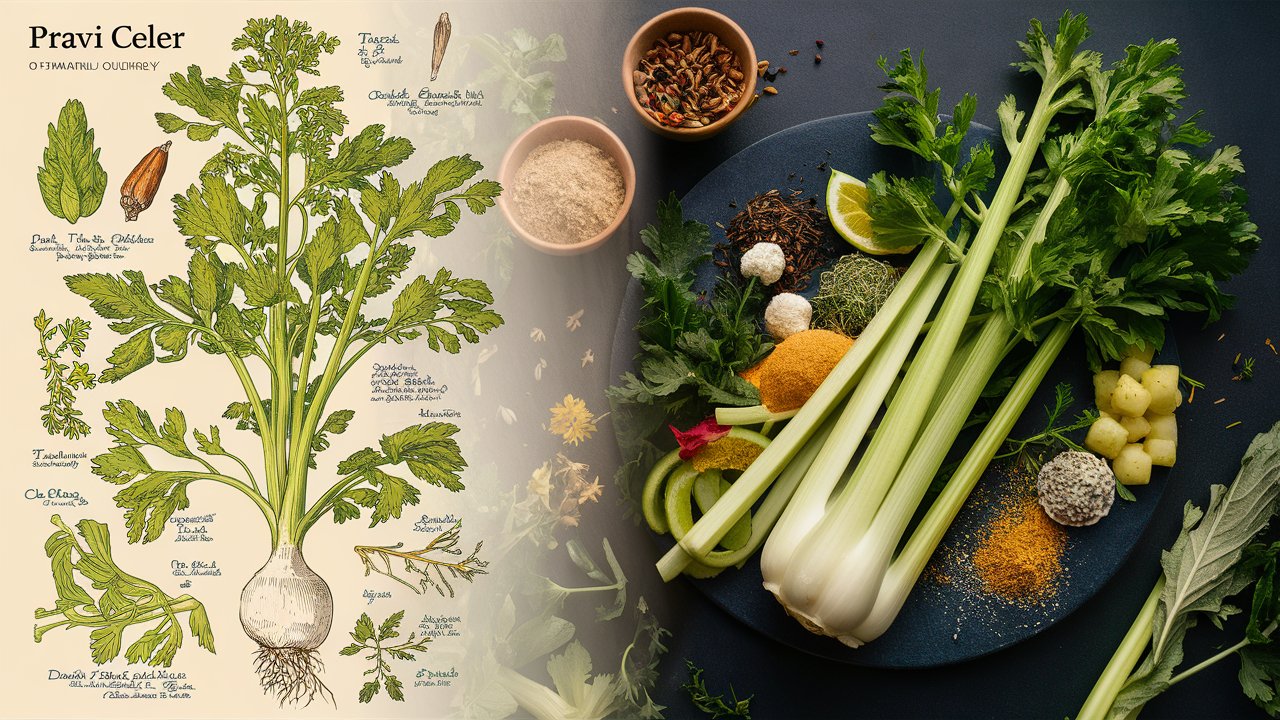
In the verdant world of herbs and vegetables, few plants carry the dual identity of celery a crisp staple in global kitchens and a potent botanical with a rich medicinal history. However, a specific search for the term “Pravi Celer” often emerges from Central and Eastern European culinary contexts, particularly in the Balkans. Translated directly from languages like Serbian, Croatian, or Slovenian, “Pravi Celer” means “true celery” or “real celery,” and it typically serves to distinguish the familiar, thick-stalked garden vegetable from other similar plants in the Apiaceae family, most notably celeriac (root celery) or lovage (a celery-flavored herb).This article will explore the multifaceted identity of Pravi Celer, delving into its botanical characteristics, its pivotal role in the foundational sofrito or povrće of Balkan cuisine, its impressive nutritional and health profile, and the practical wisdom of growing and selecting it. For home cooks, foragers, and health-conscious individuals, understanding the true nature of this humble yet powerful plant unlocks new dimensions of flavor, wellness, and culinary tradition.
Botanical Identity and Distinction: What Makes Celery “True”
To comprehend “Pravi Celer,” one must first navigate the botanical family tree. All true celery belongs to the species Apium graveolens.
The Culinary Cornerstone: Pravi Celer in Balkan and Global Cuisines
This base is indispensable in soups, stews, sauces, and braises. In the iconic Ajnpren supa (a rich chicken or beef soup), the subtle, earthy depth of celery is essential. It forms the backbone of podvarak (baked sauerkraut with meat), various čorba (thick, sour stews), and meat sauces.
Health Profile and Practical Guide: From Nutrition to Selection
The value of Pravi Celer extends far beyond its flavor.Perhaps its most famous modern health association is with blood pressure.
They should be glossy and free from brown spots or wilting. The leaves should be vibrant green and perky.
Conclusion: Celebrating the True Essence of a Humble Giant
“Pravi Celer” is more than a translation; it is a declaration of authenticity in a world of botanical cousins. This exploration reveals that true celery is not just a crunchy, water-filled stalk but a botanical marvel, a culinary cornerstone, and a vessel of wellness. Its role in building the foundational flavors of Balkan povrće and global mirepoix underscores its irreplaceable position in the art of cooking. Its nutritional profile, rich in vitamins, minerals, and unique bioactive compounds, reminds us that the most common vegetables can be silent guardians of our health. By understanding the distinction that “Pravi” implies, we gain a deeper appreciation for the specificity of culinary tradition and the importance of using the right ingredient for the right job.
FAQ: Understanding “Pravi Celer” (True Celery)
Q1: What does “Pravi Celer” mean?
A: “Pravi Celer” is a phrase from several South Slavic languages (like Serbian, Croatian, Bosnian) meaning “true celery” or “real celery.”
Q2: How is Pravi Celer different from Celeriac?
A: They are two different varieties of the same species.
-
Pravi Celer (Stalk Celery): Cultivated for its thick, green leaf stalks (petioles). The root is small and not eaten.
-
Celeriac (Root Celery/Korenski celer): Cultivated for its large, round, knobby root (hypocotyl). Its stalks are thin, tough, and not typically used in cooking.
“Pravi” clarifies you want the stalk vegetable, not the root vegetable.
Q3: What is the main culinary use of Pravi Celer in Balkan cooking?
This trio is slowly sautéed to create a flavor foundation (sofrito) for countless soups (like ajnpren supa), stews (čorba), sauces, and braised dishes. Its flavor is essential for building depth.
Q4: What are the key health benefits of celery?
A: Celery is a low-calorie, hydrating vegetable rich in:
-
Vitamin K (for bone and blood health).
-
Potassium and Folate.
-
Dietary Fiber.
-
Antioxidants like vitamin C and beta-carotene.
Q5: How do I select and store fresh celery (Pravi Celer)?
A:
-
Selection: Choose bunches with firm, tight, rigid stalks that snap easily. Avoid any with flexible, rubbery, or wilted stalks. The leaves should look fresh and green, not yellowed or slimy.
