

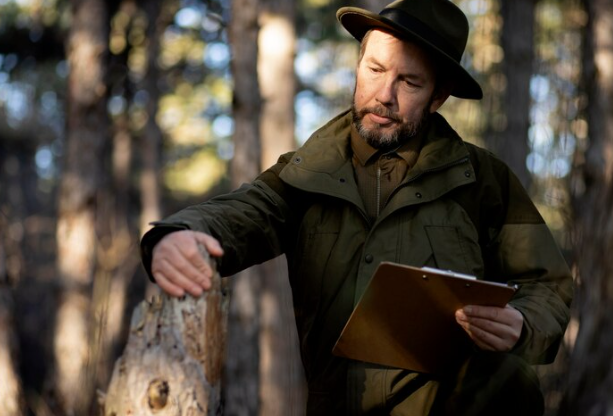
In the intricate tapestry of Norway’s commitment to sustainable nature management, the Viltnemnda, or the Wildlife Management Committee, stands as a cornerstone institution, balancing the complex and often competing interests of ecology, agriculture, and public recreation.The Viltnemnda serves as the pivotal administrative body that translates national wildlife policies into actionable decisions at the local and regional levels, making judgments on everything from annual hunting quotas to resolving severe conflicts between human activity and wildlife populations.
Core Responsibilities: Managing Populations, Resolving Conflicts, and Allocating Resources
These comprehensive plans outline long-term goals for species conservation, habitat improvement, and public access, serving as a strategic roadmap for coordinated action across all stakeholders in the region.
Conclusion
The Viltnemnda stands as a testament to Norway’s sophisticated and deeply ingrained ethos of collaborative and sustainable resource management.By integrating local expertise with democratic representation and a firm grounding in scientific and legal principles, the committee ensures that the management of Norway’s iconic wildlife is conducted with fairness, foresight, and a profound sense of collective responsibility. For anyone with a stake in the Norwegian countryside—whether as a landowner, a hunter, or a conservation advocate—investing the time to understand the role and processes of the Viltnemnda is an essential step toward active and informed citizenship.
Frequently Asked Questions (FAQ) About Viltnemnda
Q1: What is the main purpose of the Viltnemnda?
The main purpose of the Viltnemnda is to implement national wildlife management policy at a local and regional level. It acts as an administrative body to make decisions on hunting quotas, resolve conflicts between wildlife and human interests (like crop damage), and serve as an appeals board for decisions made by local game boards regarding hunting licenses and allocations.
Q2: Who can become a member of the Viltnemnda?
This typically includes representatives from municipal councils, agricultural and forestry organizations, hunting and fishing associations, and environmental conservation groups.
Q3: How do I appeal a decision to the Viltnemnda?
>You must submit a formal, written appeal to your county governor (Statsforvalteren) within the legal deadline, which is usually three weeks from when you received the initial decision.
Q4: Can I get compensation for crop damage caused by wildlife?
Yes, the Viltnemnda administers compensation schemes for damages caused by certain protected wildlife species, such as moose and deer.
Q5: What is the difference between the Local Viltnemnda and the National Viltnemnda?
The Local (or Regional) Viltnemnda handles cases and appeals at the county level. Its decisions are binding.
